In a nutshell
- 🌼 Plan for continuous bloom from late winter to autumn with native and reliable plants in bold drifts of single, open flowers to fuel bees, butterflies, and hoverflies efficiently.
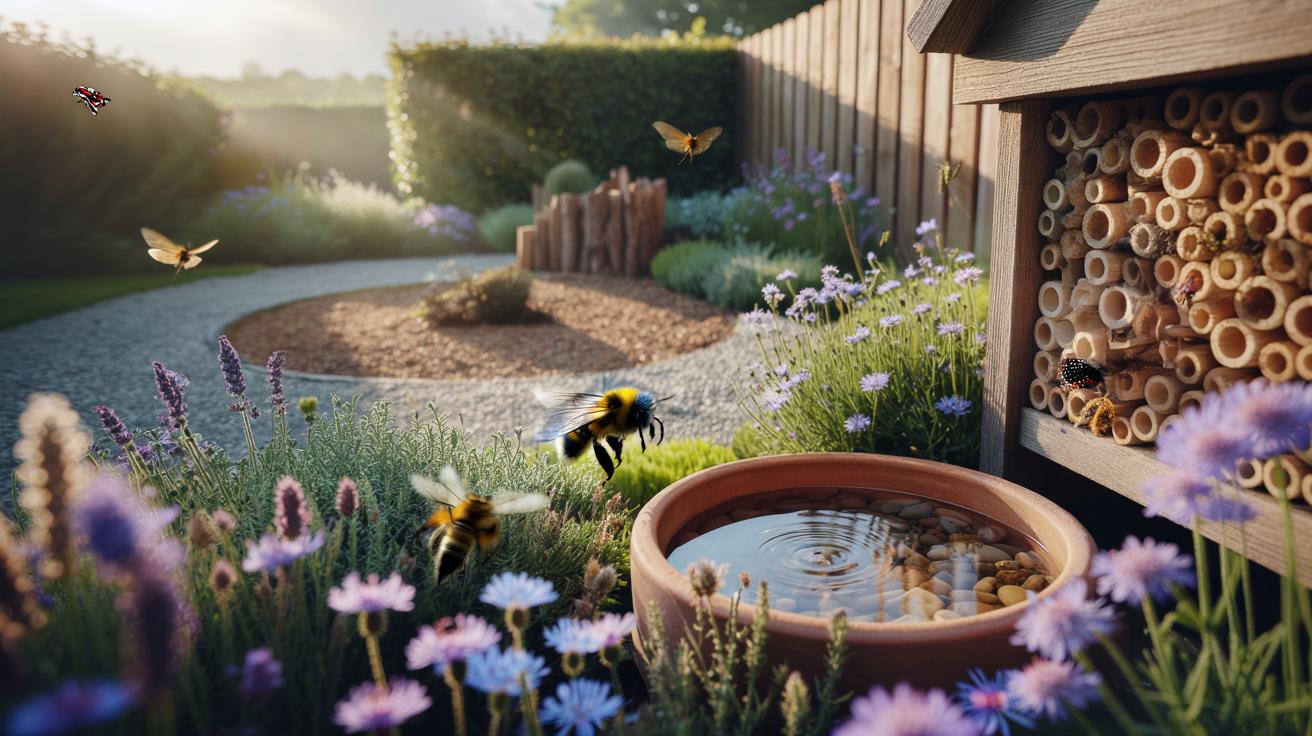
- 🐝 Provide homes and safety: patches of bare soil for solitary bees, retained hollow stems, well-made bee hotels, shallow pebble-filled water dishes, hedges, and deadwood stacks to build resilient microhabitats.
- 🌈 Shape structure and climate: layer groundcovers, mid-height perennials, and flowering shrubs to create warming microclimates, use bee-visible blues/purples and night-scented whites, and adapt the approach for balconies with tiered containers.
- 🌿 Keep it pesticide-free and low-input: enrich soil with compost, invite natural predators, deadhead selectively, leave seedheads and leaf litter over winter, and use observation to refine what thrives.
- 🍓 Expect real gains: more fruit set, fewer pests, richer biodiversity; map your bloom gaps, then add nectar plants, nesting nooks, and water to bring the garden vividly to life.
British gardens can hum, shimmer, and genuinely feel alive when we plan for pollinators first. Think abundance, not perfection. A patchwork of flowers, shelter, and water becomes a working landscape, feeding bees, butterflies, hoverflies, beetles, and moths right through the year. Small corners can do big ecological work. Choose varieties that thrive in your soil and light, then layer bloom times so something always offers nectar and pollen. Add a little wildness. Leave seedheads and leaf litter where they will help. In return you’ll get better fruit set, fewer pests, richer soil life, and the theatre of wings at breakfast time. That’s a fair swap, and beautiful besides.
Choosing Plants for Continuous Bloom
Start by mapping the seasons. Aim for a relay that begins in late winter and rolls through to the first frosts, because continuous bloom supports successive generations of insects. Early sources include willow catkins, crocus, hellebore, snowdrop, and lungwort; summer belongs to knapweed, scabious, thyme, and lavender; autumn is saved by ivy, sedums, and aster. Prioritise single, open flowers over doubled forms, which often bury nectar and pollen. Native or near-native species anchor local food webs, yet well-chosen cottage staples widen the menu. Plant in bold drifts—clumps of one species—so pollinators can refuel efficiently without wasting energy.
| Season | Plants (UK-native or reliable) | Bloom Window | Notable Visitors |
|---|---|---|---|
| Late Winter–Spring | Salix (goat willow), crocus, Pulmonaria, hellebore | Feb–Apr | Queen bumblebees, hoverflies |
| Summer | Centaurea nigra (knapweed), Knautia, thyme, borage | May–Aug | Honeybees, solitary bees, butterflies |
| Late Summer–Autumn | Hedera helix (ivy), sedum, oregano, aster | Aug–Oct | Wasps, hoverflies, late bumblebees |
In small spaces, try layered pots: bulbs beneath, herbs at mid-level, and a late-blooming top tier. Include larval food too—nettles for peacock butterflies, grasses for skippers—because pollinator life cycles need both nectar and nursery plants. Mulch lightly so self-seeders like foxglove and verbena can move in.
Nesting, Water, and Shelter
Flowers feed adults. The next step is homes. Many solitary bees nest in bare, sun-warmed soil, so leave a fist-sized patch undisturbed. Others use beetle holes or hollow stems: keep some bramble canes and last year’s flower stalks at 20–30 cm. If you add a “bee hotel”, choose deep, smooth tubes (3–8 mm), place under an eave, and clean or replace annually to reduce parasites. No habitat, no next generation—design for nesting first.
Water matters. A shallow dish with pebbles creates safe landings for bees and butterflies; refill in dry spells and keep it clean. Shelter matters too. A hedge of hawthorn, dogwood, or mixed native shrubs breaks wind, adds blossom, and offers berries for birds that help control pests. Deadwood stacks host beetles and lacewings; a sunny log becomes an apartment block. Even a south-facing fence warmed by afternoon light can speed up bee larvae, creating a genuine microhabitat in one fence panel.
Think permanence. Avoid digging where you spot ground nests, mark it discreetly, and let the colony complete its cycle. That patience pays off in spring.
Designing Structure, Colour, and Microclimates
Structure is your choreography. Low nectar carpets (thyme, clover) lead to mid-height perennials (scabious, echinacea), then to flowering shrubs and small trees (willow, crab apple). This stacking generates microclimates—sun traps, cool retreats, sheltered corridors—that extend insect foraging time on breezy British days. Place your pollinator corner where it gets morning sun and afternoon refuge. Colour helps targeting: bees see blues and purples vividly, while night-scented whites guide moths. Scent counts as much as petals; plant in wafts that drift towards a seat or path so you enjoy it too.
Group by bloom month rather than strict height rules, creating ribbons that light up in sequence. A one-metre drift of a single species beats a scattered dozen for feeding efficiency. Keep pathways permeable—gravel, bark, or mown strips through a wilder sward—so you can prune, deadhead, and observe. For balconies, assemble a tiered container trio: spring bulbs, summer herbs, autumn ivy flower nearby. Reflect warmth with brick or stone, and break wind with mesh rather than solid screens to stop turbulence that deters pollinators.
Finally, add cues: flat “landing pads” like yarrow, tubular foxglove spires, and daisies with clean nectar guides. Diversity, not clutter.
Organic Care and Gentle Maintenance
Keep the corner strictly pesticide-free. Avoid neonicotinoid-containing products and systemic insecticides; they contaminate nectar and pollen. Encourage natural controls: hoverflies adore aphids, birds harvest caterpillars, and hedgehogs reduce slugs. Choose barriers and timing over sprays—copper rings for pots, dusk hand-picking, and targeted nematodes where appropriate. Feed the soil with compost and leaf mould to power flowers without harsh fertilisers. Healthy plants make richer nectar and repair after grazing quickly.
Maintenance is light-touch. Deadhead in waves to keep nectar flowing, yet leave some seedheads for finches and winter structure. Delay the big tidy until spring so queen bumblebees and lacewings can overwinter in hollow stems and leaf litter. Mow paths, let other patches grow long; a mosaic lawn with clover beats a billiard table. Water deeply but infrequently to push roots down, then mulch. If a plant sulks, move it rather than forcing; suitability trumps sentiment. Observation guides tweaks: note which flowers pull the crowds at different hours and copy their winning formula elsewhere.
In brief, steward, don’t micromanage. A little restraint invites the magic in.
Build a pollinator corner and your garden becomes a living newsroom—constant arrivals, colourful drama, and seasonal scoops. The result is more fruit, fewer pests, and a stronger connection to place. Choose layered planting for a year-long nectar bar, add nesting nooks and safe water, then maintain with a gentle hand. Let some edges blur and the system rewards you in weeks, not years. Ready to sketch your space, list three bloom gaps, and pick the plants and features that will close them—what will your first action be this weekend?
Did you like it?4.5/5 (24)