In a nutshell
- 🌱 The tea bag trick creates controlled moisture and mild acidity that help seeds germinate faster, acting as a cosy micro-nursery that softens seed coats and steadies humidity.
- 🧪 Tea choices matter: Chamomile helps deter damping-off, Green tea is gentle, and Black tea (higher tannins) should be diluted; choose plastic-free bags and avoid flavoured blends.
- 🛠️ Step-by-step: cool a used bag, split and fluff, press in 1–3 seeds, mist, keep bright and warm (about 18–21°C), then transplant promptly to peat-free seed compost when the radicle appears.
- 🌿 Practice seed matching: tiny seeds (lettuce, basil, brassicas) thrive on bags, while larger seeds (beans, sweet peas) prefer a brief weak tea soak before sowing into compost.
- ♻️ Benefits with caveats: repurposes waste and supports a low-impact setup, may reduce disease pressure, but monitor mould, airflow, and pH—it’s a tool, not a guarantee, and results vary.
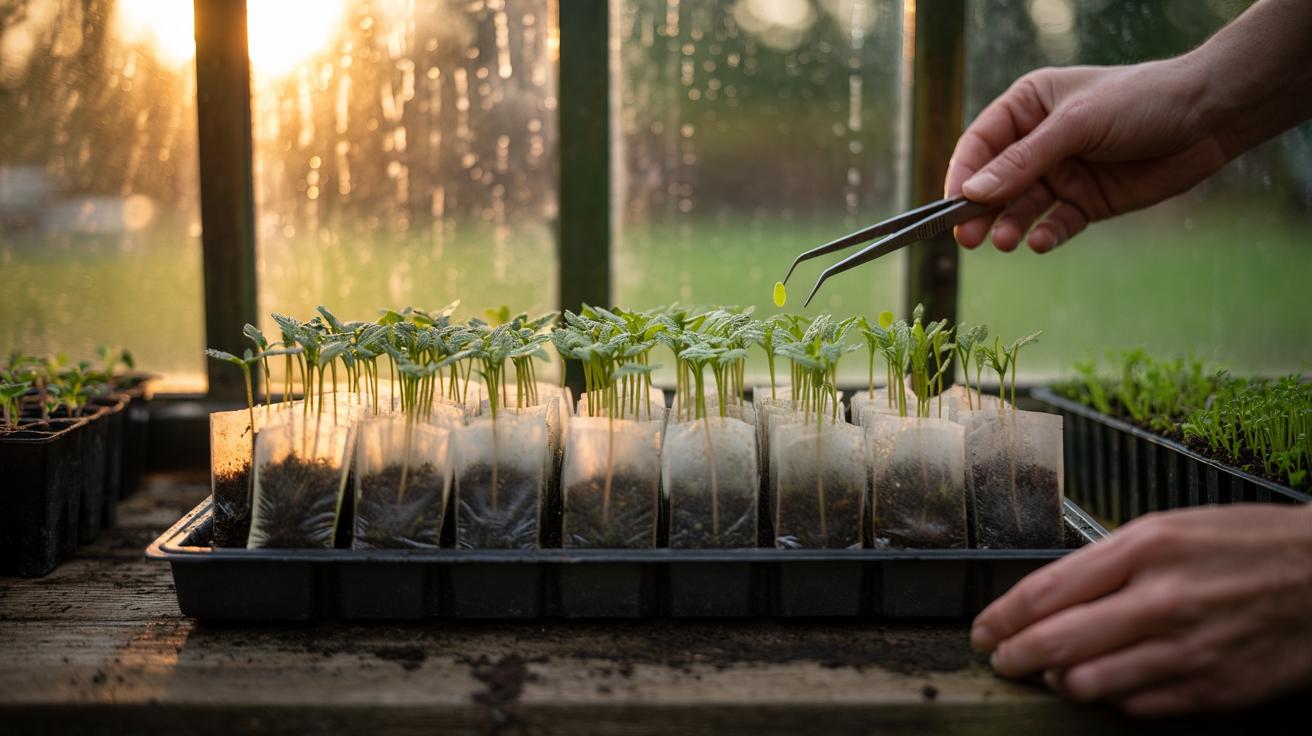
Gardeners love a simple hack, and the latest buzz in allotments across the UK involves something humble, aromatic, and already in your kitchen: the tea bag. Home growers say this tea bag trick nudges stubborn seeds into life by creating a moist, gently acidic cradle that mimics ideal germination conditions. It’s tidy. It’s thrifty. It often works. The logic is straightforward: spent tea bags hold water like little sponges, carry trace nutrients, and can suppress some seedling diseases. Used properly, they offer a cosy microclimate that helps seeds crack and push out a radicle sooner. Here’s how the method works, what to expect, and where caution matters.
What Is the Tea Bag Trick and Why It Works
At its heart, the tea bag trick is about controlled moisture and gentle chemistry. A used tea bag is a porous pocket that stays evenly damp without becoming sodden, exactly the balance new seeds crave. Tea is mildly acidic, sitting near the sweet spot for many vegetables and herbs. That slight acidity can help soften seed coats and improve water uptake. Inside the spent leaves are traces of nitrogen, potassium, and polyphenols, all present at low levels. Not a fertiliser as such, but a hint of nourishment. Think of it as a nursery, not a pantry.
Some teas add extra benefits. Chamomile contains natural anti-fungal compounds, which many growers use to reduce damping-off, the seedling disease that fells trays overnight. Green tea is gentler than strong black brews, offering fewer tannins and less caffeine. The bonus is microbial: used bags can host beneficial microbes that subtly outcompete nasties. There’s a caveat, of course. Too much caffeine or strongly flavoured teas can stress sensitive seeds. Balanced, not bold, is the watchword for germination.
Step-by-Step: From Used Bag to Vigorous Seedling
Start clean. Brew your tea as normal, then set the bag aside to cool completely. Never place seeds on a warm or hot bag. Choose unbleached, plastic-free bags if possible; many modern bags include heat-sealed plastic mesh that resists breakdown. Gently squeeze, then reopen or split the bag and fluff the leaves to create a loose, moist bed. Place one to three seeds on the surface, press lightly, and mist with cooled, boiled water. Cover with a vented container to hold humidity. Bright light, not direct sun. Steady warmth helps; a propagator set around 18–21°C is perfect.
Check daily. The aim is consistently damp, never dripping. As soon as you see a white root tip emerge, move the seedling into a fine, peat-free seed compost, handling by the seed coat or the leaf, not the fragile stem. Label diligently; tea bags look alike after a week. If mould appears, increase airflow and switch to a fresh bag. Speed matters here: transplant once the first true leaves hint at unfurling. The method shines with lettuce, brassicas, basil, and chillies, which appreciate stable moisture and a softly acidic start.
| Tea Type | Key Trait | Best Use |
|---|---|---|
| Chamomile | Anti-fungal compounds | Seed soak or surface mist to reduce damping-off |
| Green Tea | Low caffeine, gentle tannins | Direct germination on bag for herbs and leafy veg |
| Black Tea | Higher tannins, stronger acidity | Pre-soak diluted; use cautiously with sensitive seeds |
What to Use, What to Avoid
Not all bags are equal. Seek plastic-free, unbleached paper or compostable fibres; these breathe and break down, avoiding microplastic contamination. Avoid flavoured teas—Earl Grey’s bergamot oil, spiced blends, or mint infusions can be antimicrobial or allelopathic in ways that unsettle seedlings. Skip bags that have touched milk or sugar. Seeds want clean moisture, not latte foam residue. If in doubt, brew a fresh bag solely for gardening, cool it, and proceed.
Match seeds to method. Fine seeds—lettuce, basil, broccoli, alyssum—respond quickly to the tea bag’s even humidity. Larger seeds, such as beans or sweet peas, prefer depth and aeration; give them a brief weak tea soak instead (ten minutes), then sow into compost. Monitor pH: while tea is mildly acidic, compost buffers it, but constant drenching with strong tea can skew conditions. To limit damping-off, keep air moving, sterilise trays, and water in the morning so surfaces dry by dusk. If mould persists, switch to chamomile soaks or a slight dusting of ground cinnamon at sowing. Remember, the tea bag is a tool, not a guarantee.
Used smartly, the tea bag trick can save time, reduce plastic pots, and deliver that thrilling burst of green days earlier than expected. For cost-conscious growers, it also repurposes what would be waste, aligning with a low-impact, peat-free approach. Results vary with seed age, temperature, and water quality, but the method’s strength lies in its simplicity and control. Start small, keep notes, and refine your setup week by week. Which seeds in your garden will you dare to test on a damp, humble tea bag this spring—and what tweaks might make the trick your own?
Did you like it?4.4/5 (28)